
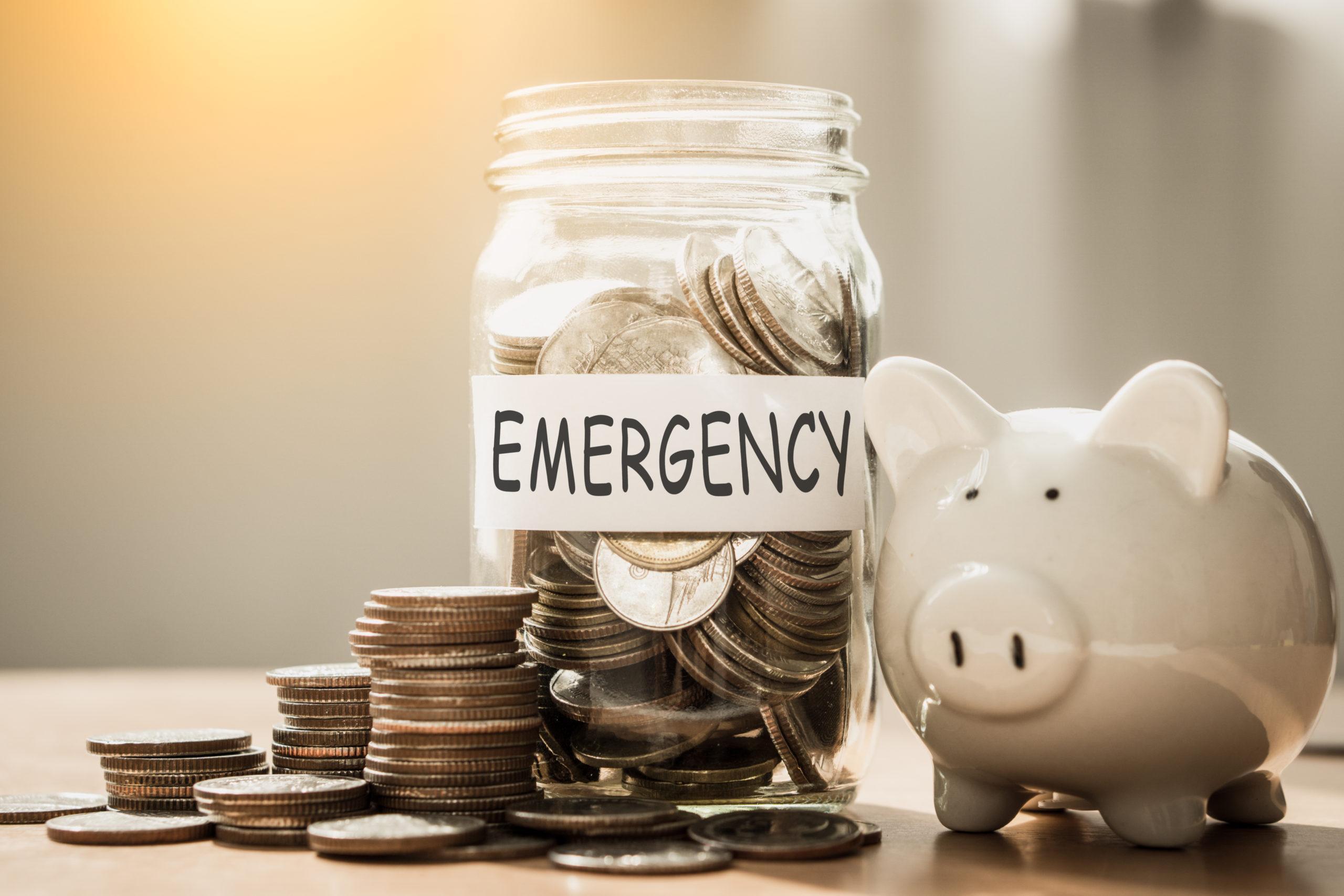
Life does not send advance warnings before emergencies arrive. A sudden job loss, a medical crisis, an unexpected home repair — any of these can derail even the most carefully planned financial life. An emergency fund is your financial shock absorber: a dedicated pool of money that protects your long-term goals when short-term crises strike.
Despite its importance, studies suggest that nearly 75% of Indians do not have an adequate emergency fund. This guide will help you calculate exactly how much you need, where to keep it, and how to build it — even on a tight budget.
What Is an Emergency Fund?
An emergency fund is money set aside exclusively for unplanned financial emergencies — job loss, medical expenses not covered by insurance, urgent travel, or essential home repairs. It is not meant for planned expenses, vacations, or lifestyle upgrades.
Unlike your investments, an emergency fund must be liquid (accessible within 24–48 hours), safe (not exposed to market risk), and stable (no lock-in periods or withdrawal penalties).
How Much Do You Actually Need? The 3-6-12 Rule
The ideal size of your emergency fund depends on your life situation and income stability. Use this rule of thumb:
Single with a stable job: 3 months of essential expenses
Married with children: 6 months of essential expenses
Family with dependent parents: 6–9 months of expenses
Freelancer or self-employed: 9–12 months of expenses
Formula: Emergency Fund = Monthly Essential Expenses × Number of Months
For example, if your monthly essential expenses are ₹50,000 and you are a salaried employee with a family, your target emergency fund is ₹50,000 × 6 = ₹3,00,000.
Important: Calculate based on expenses, not income. In a crisis, you only need to cover your essentials — not maintain your full lifestyle.
Where Should You Keep Your Emergency Fund?
The goal is not maximum returns — it is safety, liquidity, and reasonable growth. Financial experts recommend splitting your emergency fund across three instruments:
Savings Account (30%): Instant access for immediate needs. Returns of 3–4% annually. Keep this for day-zero emergencies like hospital bills or urgent travel.
Liquid Mutual Funds (40%): Redemption typically within one business day. Returns of 6–7% annually. Offers better inflation protection while maintaining high liquidity.
Fixed Deposits — Sweep-in FD (30%): Returns of 5–7% annually. A sweep-in FD automatically converts excess savings into an FD, giving you both liquidity and better returns.
Avoid keeping emergency funds in stocks, equity mutual funds, or any asset with a lock-in period. When a crisis strikes, you need cash — not an investment stuck in a market downturn.
How to Build Your Emergency Fund Step by Step
Step 1 — Calculate your monthly essentials: Rent, groceries, utilities, EMIs, school fees, and a small buffer. Exclude luxuries.
Step 2 — Set a target: Multiply your monthly essentials by 3, 6, or 12 depending on your situation.
Step 3 — Start small: Do not wait until you can save the full amount. Start with ₹25,000 or one month of expenses as your first milestone.
Step 4 — Automate contributions: Set up an automatic transfer of 10–20% of your salary to your emergency fund on payday. Automation removes the temptation to spend first.
Step 5 — Use windfalls strategically: Bonuses, tax refunds, or Diwali gifts should go directly into your fund. A ₹50,000 bonus can jumpstart your corpus significantly.
Step 6 — Replenish after use: If you dip into your emergency fund, treat replenishment as your top financial priority until it is restored.
Common Mistakes to Avoid
Calculating your fund based on salary instead of expenses
Investing emergency money in equities or crypto for higher returns
Using the fund for planned purchases or lifestyle expenses
Not reviewing and adjusting the fund after major life events like marriage, a new child, or a job change
Waiting to start until you can save a large amount — consistency matters far more than size at the beginning
Want a deeper breakdown?
We explored this topic further — including why the same expense number can require very different fund sizes depending on your income stability, job type, and dependents. Read the full breakdown →
Final Thoughts
An emergency fund is not a luxury — it is the foundation of every sound financial plan. It is what allows you to take career risks, stay invested during market downturns, and face life's surprises without panic or debt.
Start today, even if it is just ₹1,000 a month. Build steadily. Protect it strictly. Your future self will thank you for it.